


Happy Black History Month! This year, let’s highlight a part of Jacksonville that holds a lot of African American history. LaVilla is a historical African American neighborhood and also a cultural hub that holds much significance and influence in Jacksonville. It first became a settlement in 1801 when a man named John Jones was given a Spanish land grant. From that time on, it served as a safe space for many Black American residents.
LaVilla is home to many culturally significant monuments such as the Ritz Theater, Brewster Hospital, the Richmond Hotel, and one of its newest additions, Lift Ev’ry Voice and Sing Park. During the early 1900s, Jacksonville was the largest city in Florida, and over half of its residents were African American.
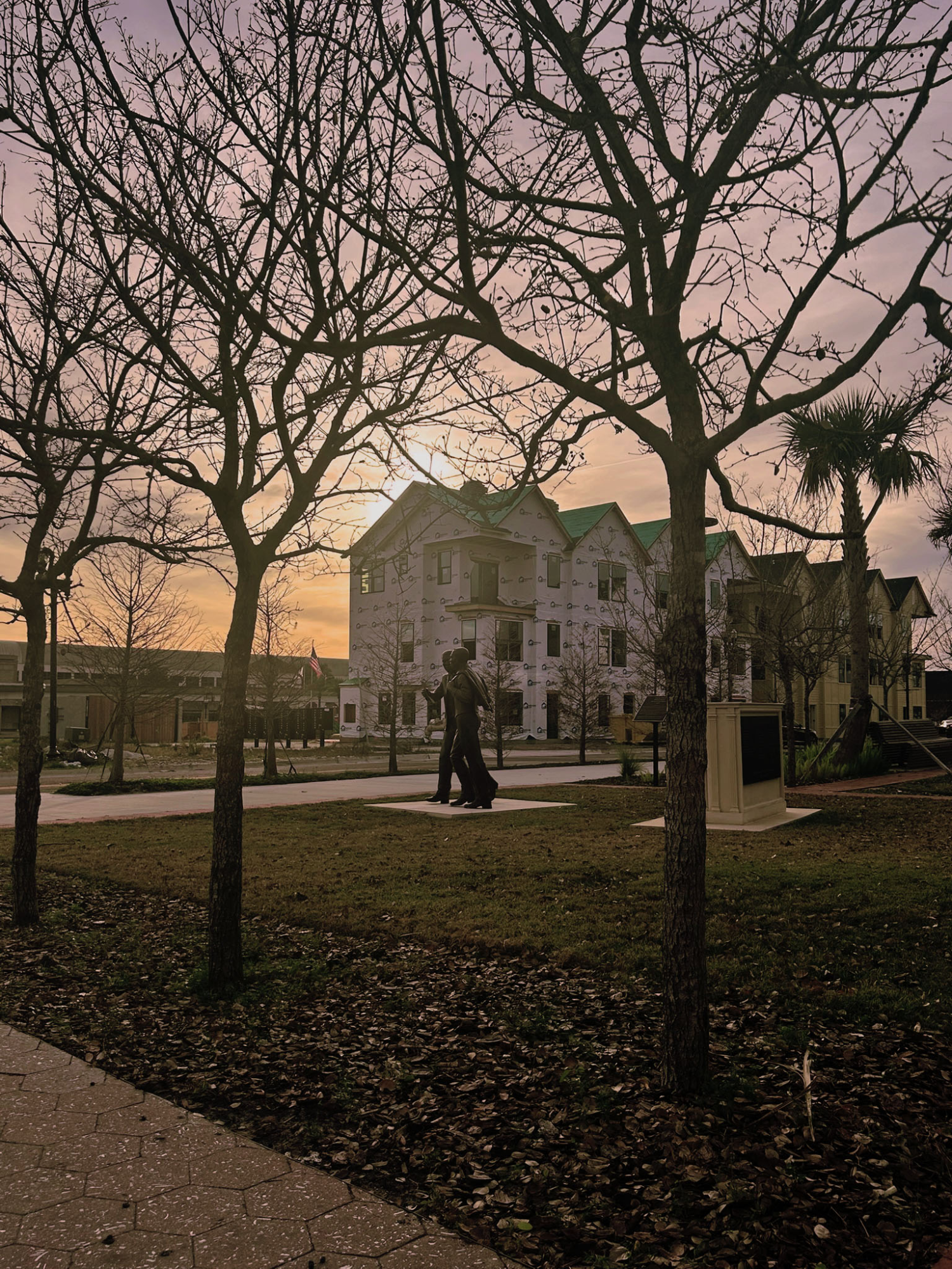
Lift Ev’ry Voice and Sing Park honors Jacksonville natives James Weldon Johnson and John Rosaman Johnson, who composed the song “Lift Ev’ry Voice and Sing,” which was declared the Black national anthem in 1921. The neighborhood was also home to many other great artists and provided safe spaces for numerous Black musicians and entertainers during the segregation period from the 1880s to the 1960s.
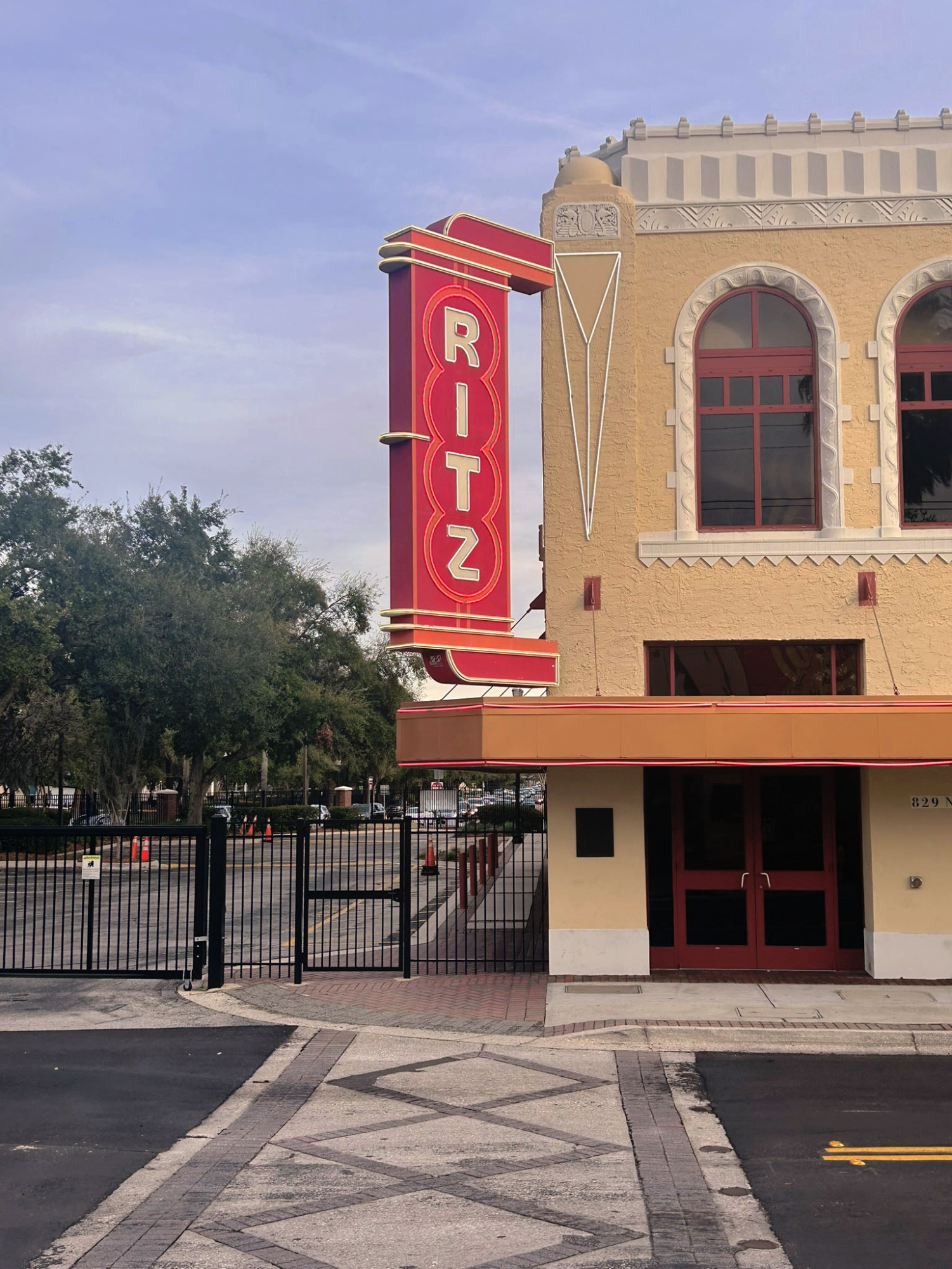
The Ritz Theater opened in 1929 as a movie house and closed in 1972, due to segregation laws being abolished. It has reopened as an over 30,000 square foot cultural center and museum that highlights the artistic culture and African American life in northeast Florida’s most beloved neighborhood, Lavilla. With this, the height of its activity was from the 1920s to the 1960s, an era known as “The Harlem of the South”.
LaVilla is often called this because of its social scene, with vibrant music, food, and other arts. Much like the Harlem Renaissance of 1920s New York, LaVilla has had its own significant influences on modern-day America. The Harlem Renaissance was largely the result of the movement of over 1.5 million migrants from southern, urban communities who moved North in search of industrial cities that supported a better life and economic opportunity. LaVilla is no stranger to this, and in the early 1870s, it was also having its own Renaissance. Its own Ashley Street’s Airedone Theater was recognized as the largest African American exclusive theater by 1909. Additionally, the first account of Blues being sung on a public stage was held here.
Music was a central part of the arts scene of LaVilla, and a song that shaped the Harlem Renaissance itself emerged from LaVilla. “Lift Ev’ry Voice and Sing” was written in the year 1900, primarily composed by James Weldon Johnson. It is a piece that contains 49 hymns and tells the story of the biblical Exodus, coming from slavery to freedom, paralleling the historical situation of many newly freed Black Americans during the 19th century.
Its composer, James Weldon Johnson, grew up in Jacksonville. During the civil rights movement, Johnson decided to originally write a poem about African Americans’ struggles with the passing of the Jim Crow Laws. The poem was first recited by students at Edwin M. Stanton School in Jacksonville. Johnson’s brother, John Rosamond Johnson, later set the poem to music, and both brothers moved to Broadway in 1901. The Johnsons declared with the song’s fame, “The school children of Jacksonville kept singing it; they went off to other schools and sang it; they became teachers and taught it to other children. Within twenty years, it was being sung over the South and in some other parts of the country.” Later, the NAACP declared it the Black National Anthem in 1919, due to its voicing of freedom and faith for African American people.
By the 1930s, most of Harlem’s residents were made up of Black Americans, and the neighborhood became “the flowering of Negro literature.” It reflected the cultural and arts scenes in Jacksonville’s LaVilla, very likely due to the over 6,000 workers who moved away from 1916 to 1917 from Jacksonville to the North. All in all, Lavilla has accounted for Jacksonville’s rich African American history.