

Every two minutes a woman in the United States is diagnosed with breast cancer. It’s the most common cancer diagnosed among women. Despite significant advancements in treatment, especially in the past ten years, breast cancer still claims the lives of over forty thousand women each year. However, thanks to the research, the five-year relative survival rate for localized breast cancer is ninety-nine percent, demonstrating that awareness and acceptance do make a difference.
An interview with Bolles alumna Dr. Cynthia Anderson ’90, the Section Chief of Breast Radiation Oncology at Baptist MD Anderson Cancer Center, provided some of the key information behind the development of breast cancer, and how we can help support the people we love.
Dr. Anderson explained that breast cancer is typically a process where the duct within the breast transforms from being a benign pipe that’s meant to be the passageway for milk from the milk-producing glands to the nipple. When this happens, irritation can occur in that duct or in any part of the breast, which can cause cells to transform from benign to malignant.
“This transformation usually occurs as a result of hereditary factors that predispose a patient to breast cancer,” she says, “or commonly, the accumulation of environmental factors.” The most significant risk factor for developing breast cancer is age. Other risk factors include hormone replacement therapy, a history of prior cancer treatments, and nulliparity (never having given birth).
There is a wide variety of treatment options based on the stage of a patient’s breast cancer. The early stage would be considered stage I or II. The advanced stages are stages III and IV, with stage IV meaning that the cancer has spread to other organs of the body. Patients have an individualized plan of care and sometimes may need two or three treatments: surgery, chemotherapy, and radiation. This is the most vulnerable time in a patient’s journey, and when they require the most encouragement.
“The best thing is to ask individuals with breast cancer what their needs are and how they feel you could be of best help. The most challenging thing they face, from the support standpoint, is that other people tend to give unsolicited advice. This can feel very overwhelming and is actually unhelpful. So I always encourage people to ask; ask them what they need, and be prepared for the possibility that the answer right now is either ‘nothing’ or ‘I don’t know’.” Making yourself available and dependable is often the best you can do for them.
As teens, we do not deal with breast cancer directly, but it is so prevalent that it’s almost impossible not to know somebody who’s been affected by it. The best way to provide support is to discuss it openly and make conversations about prevention feel normal. Teens can have a profound emotional impact by demonstrating compassion and encouragement to people undergoing treatment. Although this is unlikely to happen now, education about our own bodies should begin now.
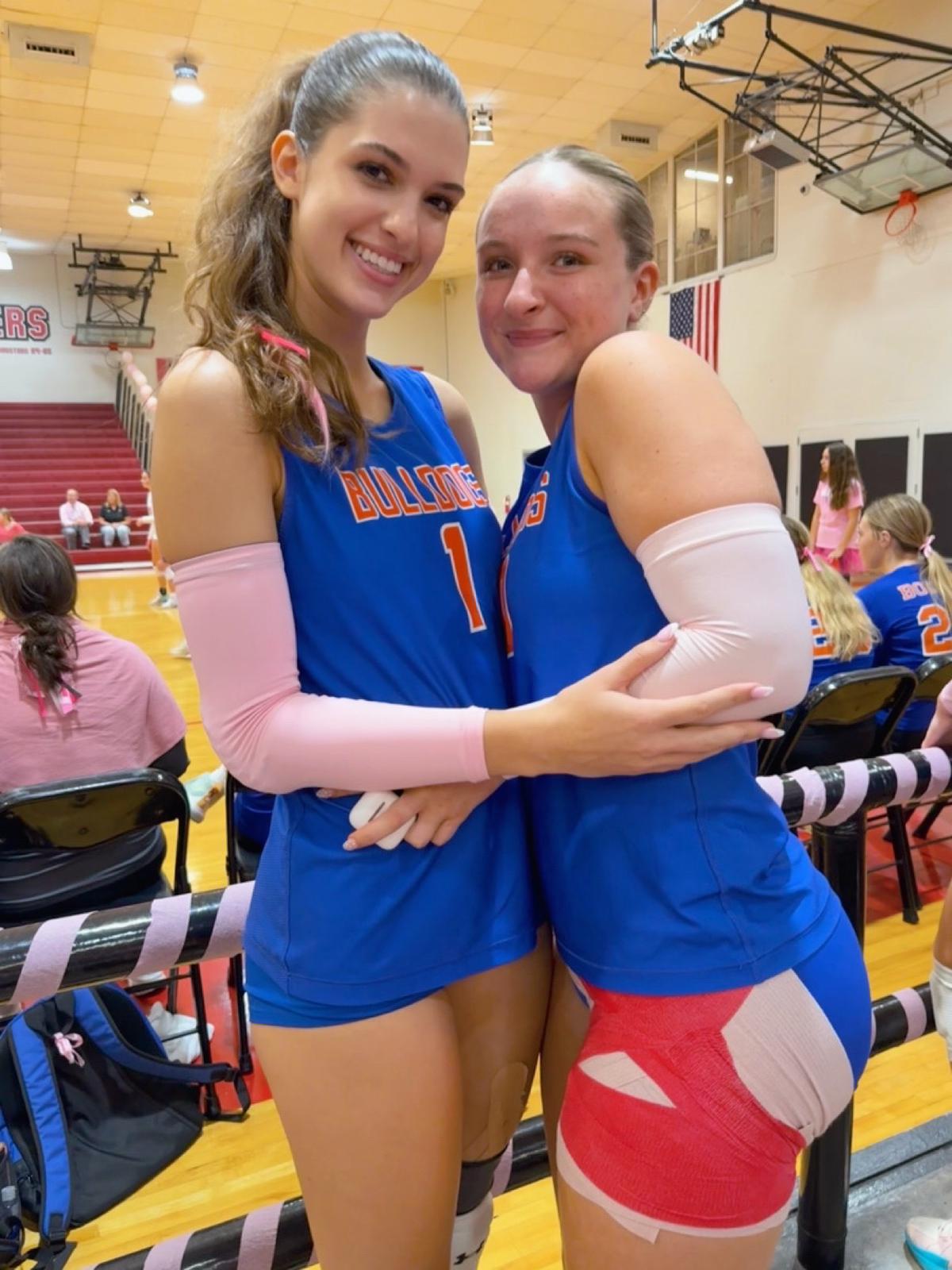
Our local community in Bolles and Jacksonville goes above and beyond to show unwavering support for this cause. From buses to marathons, the city has been working arduously in creative ways to make a difference. At Bolles, we had a volleyball game with a pink-out theme where students (including the volleyball players) wore pink ribbons. Additionally, last week, Bolles hosted the Buddy Bus Mobile Mammography, which provides 3D screening mammograms in a comfortable setting.
Outside of Bolles, numerous community efforts have also been made. The DONNA Marathon Weekend is a meaningful event that brings runners together in solidarity, with opportunities to engage in other events post-run, including a presentation by Mayo Clinic. Additionally, Light Jax Pink serves as a visual testament to the support of people facing breast cancer. Their mission is to turn the exterior lights pink this October at major businesses, landmarks, and other residences, including Acosta Bridge, Baptist Health, Mayo Clinic, and Florida Blue.
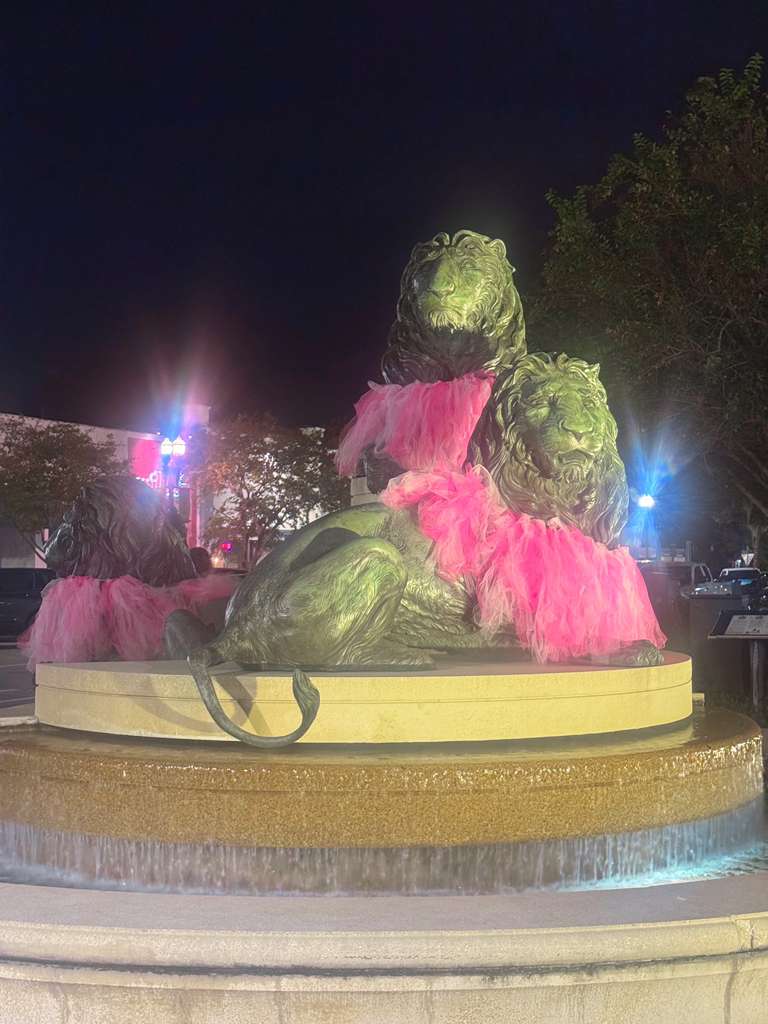
Breast cancer touches every corner of our community, including teens. Breast cancer awareness is crucial because community support can significantly impact the lives of those affected. By learning, listening, advocating, and showing our support, we can turn awareness into prevention. So the next time you see a pink tutu, or are driving on a bright pink bridge, remember the resilience and courage it represents as well as the call for awareness and compassion.